The Skin Barrier: Your Body’s First Line of Defense
The skin is the largest organ in the body, acting as a protective barrier to the outside world. It prevents harmful bacteria and other external threats from entering, while keeping essential elements (especially water) inside.
How the Skin Barrier Works
This barrier functions through a “bricks and mortar” structure in the outer layer of the skin, where ‘dead’ skin cells are the bricks, and ceramides (a type of oil) act as the mortar holding them together.
Signs of a Compromised Skin Barrier
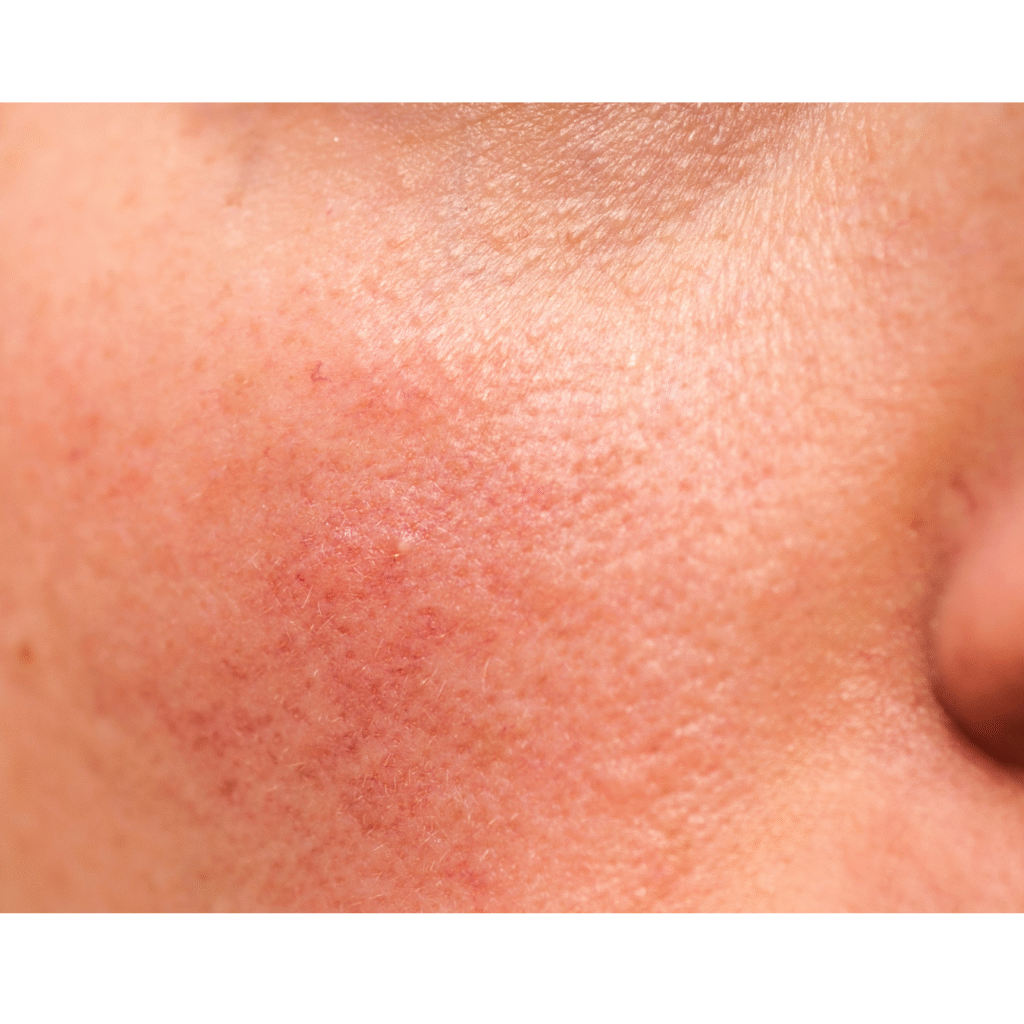
When the barrier is not functioning properly, the skin may:
- Feel dry or tight
- Become easily irritated
- Appear flushed or red
When the Barrier is Intentionally Disrupted
Certain in-clinic treatments may temporarily hinder barrier function. In these cases, your clinician will provide products that act as a substitute barrier while the skin heals. Occlusive products, such as Oleogel, can be used to protect the skin during this time while products containing more active ingredients (such as retinol or vitamin c) will be avoided.
Ingredients That Support Barrier Repair
Gentle, barrier-friendly ingredients include:
- Vitamin B3 (Niacinamide) (ASAP Super B Complex)
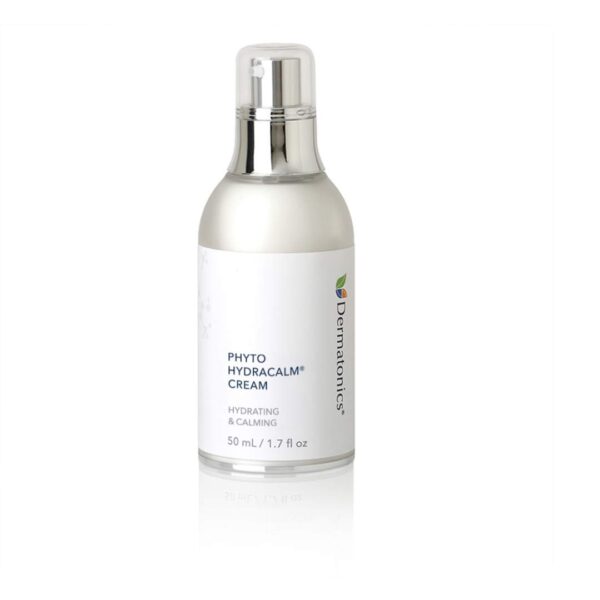
- Vitamin B5 (Panthenol) (Dermatonics HydraCalm Cream)
- Hyaluronic Acid (Dermatonics 10% Hyaluronic Acid Serum)
These can be used even when the skin barrier is impaired. However, stronger actives such as Vitamin C, Vitamin A (Retinol), and exfoliants should be avoided until the barrier is restored.
Sun Protection is Non-Negotiable
Daily SPF is essential, as sun exposure can weaken and damage the skin barrier. Here at My Face Place we take sun protection seriously, and so have a range of different sunscreens to suit every persons individual needs. Come in an have a chat to see what you like best or shop online.
My Face Place Treatments for Barrier Recovery
Treatments that can help reinstate skin barrier function include:
- LED therapy
- Lymphatic facials
- Sonophoresis
Let us help you work out what may be causing barrier disruption and work with you to get your skin in optimal health again. You can book in here.