Most people have heard of the circulatory system, but not many know about the lymphatic system. Yet it plays a huge role in how we heal, recover, and even how our skin looks and feels.
The Lymphatic system moves a fluid called lymph around the body, helping to remove waste, toxins, excess fluid, and cellular debris. It also supports your immune system and helps your body recover after illness, injury, or cosmetic treatments.
Unlike your circulatory system, the lymphatic system doesn’t have a pump like the heart. Instead, it relies on movement, breathing, and manual stimulation to keep everything flowing. When lymphatic flow slows down, you may notice puffiness, swelling, fluid retention, or a feeling of heaviness, which is particularly important when it comes to skin treatments.
Treatments such as skin needling, laser, RF, HIFU, and even some advanced facials create a controlled healing response in the skin. While this is part of the process that stimulates collagen and rejuvenation, it can also lead to temporary swelling and inflammation.
A healthy lymphatic system helps clear this excess fluid, allowing the skin to recover more efficiently.
If you’ve recently had a treatment and are experiencing swelling, there are a few simple things you can do to help:
Staying hydrated is one of the most effective ways to support lymphatic flow. Gentle movement, such as walking, can also encourage drainage. Sleeping with your head slightly elevated for a few nights may help reduce facial swelling, while limiting alcohol and salty foods can help prevent additional fluid retention.
There are also treatments specifically designed to support the lymphatic system.
Lymphatic drainage massage uses gentle movements to encourage fluid movement and reduce puffiness. Many clients notice their face looks more sculpted, refreshed, and less congested afterwards. Facial treatments that focus on drainage can also be particularly beneficial after advanced skin procedures.
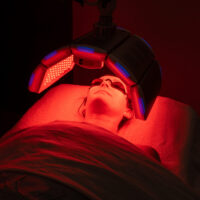
One of our favourite additions is a lymphatic mask. These masks are designed to soothe the skin, reduce visible swelling, calm inflammation, and support the recovery process. They’re especially beneficial after treatments when the skin needs extra support and comfort.
Many people don’t realise how much of a difference healthy lymphatic flow can make. When the system is functioning well, skin often appears brighter, less puffy, and more radiant. Recovery after treatments may also feel faster and more comfortable.
While we often focus on treating the skin itself, supporting the lymphatic system can be one of the most effective ways to enhance your results and keep your skin looking its be.
Understanding Post-Inflammatory Hyperpigmentation (PIH)
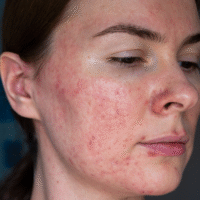
Post-Inflammatory Hyperpigmentation, or PIH, a common pigmentation concern we see in clinic. It appears as a dark mark that remains after the skin has experienced inflammation or injury.
Unlike sun spots, which develop from years of UV exposure, PIH is triggered by inflammation. Common causes include acne, eczema, dermatitis, insect bites, burns, skin picking, and even some skin treatments if the skin becomes irritated.
When the skin is inflamed, it activates pigment-producing cells called melanocytes. These cells produce melanin as part of the skin’s healing response. Sometimes they produce more pigment than necessary, leaving behind a brown, grey, or dark mark once the original inflammation has healed.
PIH can affect all skin types but is often more common and longer lasting in medium to deeper skin tones because melanocytes are naturally more active.
One of the biggest challenges with PIH is that sunlight can make it darker and more difficult to treat. This is why daily SPF use and regular reapplication are essential. Without adequate sun protection, the pigmentation can become more stubborn and take longer to fade.
Managing PIH requires a combination of reducing pigment production and encouraging healthy skin renewal. Ingredients such as Vitamin C, niacinamide, azelaic acid, retinoids, and tranexamic acid can all help improve skin tone and support the fading process.
Professional treatments may also be recommended depending on the severity of the pigmentation. Chemical peels, skin needling, and LED therapy can all help improve skin renewal and support a more even complexion.
It’s also important to avoid picking at blemishes or over-exfoliating the skin, as additional irritation can create more inflammation and potentially lead to further pigmentation.
The good news is that PIH often responds very well to treatment. With the right skincare, professional treatments, and consistent sun protection, the skin can gradually become clearer, brighter, and more even in tone.